 Packaging is a major source of landfill waste as well as being an issue of concern to booksellers and readers.
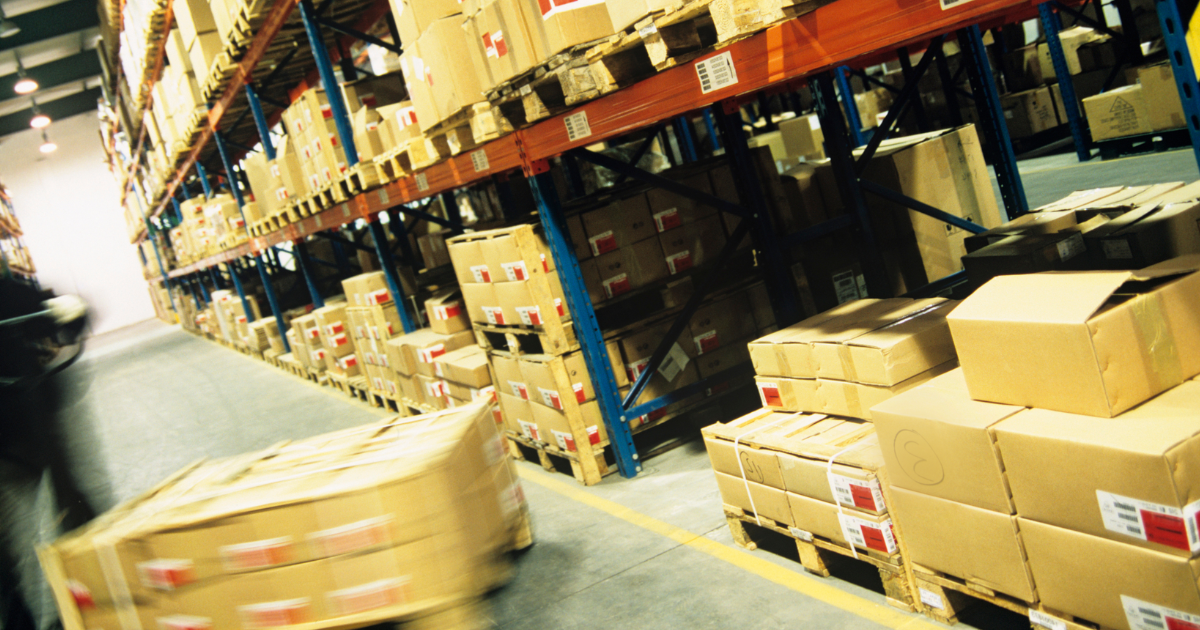
In the past plastics and other non-sustainable materials were widely used in the transportation of books, and while there has been some positive advancement in this area it is critical we continue to see improvement. When shipping to distribution centres, printers may choose to send stock individually wrapped, or in boxes on pallets. There are a number of options to avoid polystyrene fill to protect books in boxes, and it is positive to see these options being chosen more often than not.
In distribution warehouses, books are either packaged up for individual consumers or bundled together for shipments to book retailers. Books may be shrink-wrapped together or with other merchandise.
While it can be a significant change to eliminate the use of plastics and other non-recyclable material in packaging, many distribution centres have proved it is possible (and a vital step in reducing emissions) by using alternative materials and techniques, for example:
- Reducing shrink wrap usage on pallets through more efficient wrapping
- Sourcing shrinkwrap made from recycled plastic (though not biodegradable, it is preferable to virgin plastic)
- Loadhog lids (instead of shrink wrap) and shredded cardboard infill instead of non-recyclable materials
- Shrink-wrapped crepe paper (being trialled in China)
- Expanding the variety of packaging sizes available for shipments (for more efficient use of resources)
- Boxes designed to close tightly and remove voids that need to be filled with packaging beads
- Joining wider initiatives to promote recycling packaging
Careful consideration should be given to ineffective packaging of books in boxes and on pallets, as at this stage books are particularly prone to damage.