The publisher metadata most wanted by booksellers
Cat Colwell attended the BookPeople conference in Melbourne , where booksellers provided feedback on what they wanted to see more of on TitlePage from publishers.
Here’s a quick rundown of some of the recurring themes:
Carton quantities

‘Without fail, I will round up my orders if I know I’m getting whole cartons.’
Booksellers want to know pack quantities, and earlier, because orders for cartons ship faster and are easier to store. This information is often added to publisher metadata too close to the release date, after those larger pre-orders are placed.
Action: ensure carton quantities are in your metadata as soon as available, ideally ahead of the sell-in.
Reading/interest age

Booksellers noted that it was great to see more publishers of children’s books including age information but said that it needs to be universal.
Experienced specialist children’s booksellers aren’t always the norm, and without that information provided in the metadata, many booksellers will not be confident selling your titles.
Even for experienced children’s booksellers, the metadata is critical when they don’t have the book in front of them. These age ranges need to be specific to be meaningful, rather than broad ranges that attempt to capture more searches.
‘And if you don’t include it at all, you’re leaving money on the table.’
Action: include age information, particularly for children’s and young adult titles.
Themes & content information:
It’s not enough to provide a rich description; booksellers want you to spell out key themes and content information in your subject information and keywords. This allows booksellers to confidently match readers to titles they haven’t personally read – and yes, sometimes that might mean not recommending a title based on information that would make it a poor match for what a reader is looking for. Upcoming improvements to the TitlePage search functionality increase visibility of this information, enhancing its value in title discovery by booksellers.
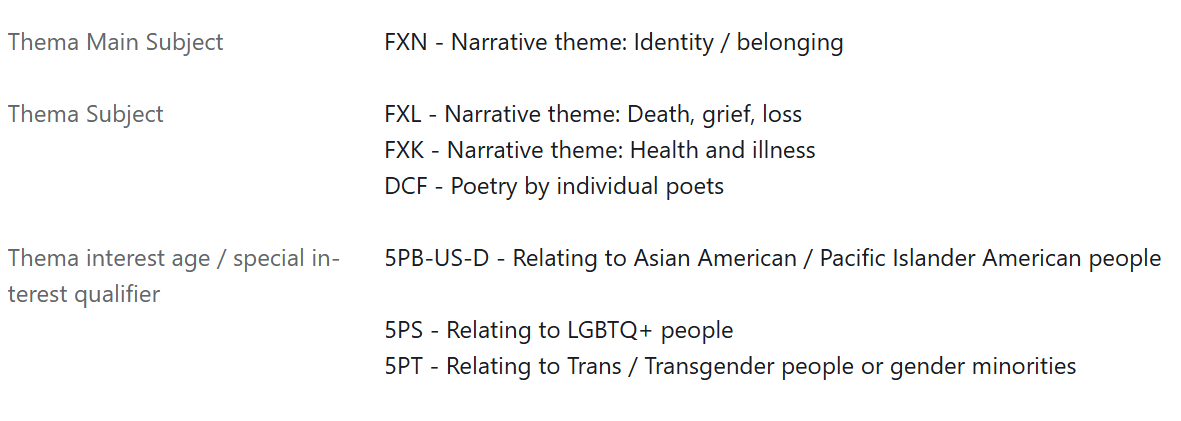
Action: get up to speed on Thema, and ensure you’re accurately describing your titles through their keywords.
Translator contributor information:
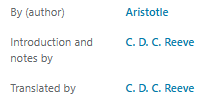
This is a crucial piece of metadata for giving credit to all the creators of a work, yet it is rarely provided except for translated classics. Readers of translated works often follow particular translators, just as audiobook listeners look out for books with the same narrator. Booksellers described being contacted by translators concerned about a lack of credit being provided – and this is very difficult information for a bookseller to find if the publisher doesn’t provide it in their metadata.
Action: ensure all key contributors are added to your metadata – especially translators, alongside authors, illustrators, narrators, editors etc.
Creator nationalities

Booksellers are highly engaged with contributor nationality information, both for local First Nations, Australian and New Zealand creators, but also international authors. In many situations, booksellers – and their customers – want to prioritise and celebrate locally created content.
The TitlePage search allows booksellers to filter books by author nationality, but only if that data is provided. But booksellers running promotions and events around particular themes and topics often seek new titles by authors from specific areas of the world – and this metadata is frequently missing.
Action: add nationality information to key contributors – particularly for Australian and New Zealand authors. Learn more about First Nations metadata.
Want more metadata advice?
If you need more metadata assistance, check out the training resources and Thema support pages, or else reach out to Cat Colwell for all things metadata or TitlePage.